Please call for information, and check back for events happening soon.
Capital Ridge Tree Farm

Our trees

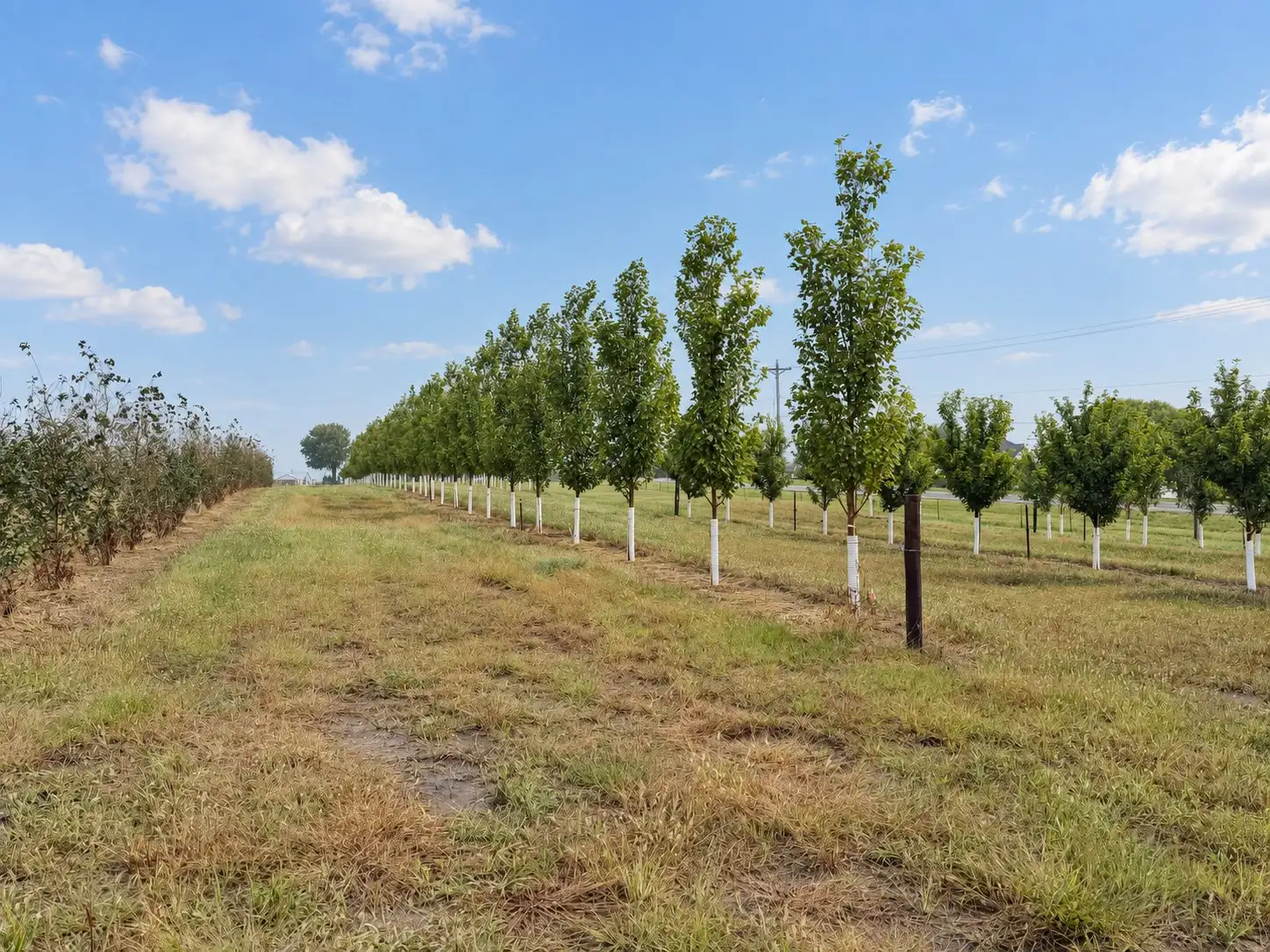
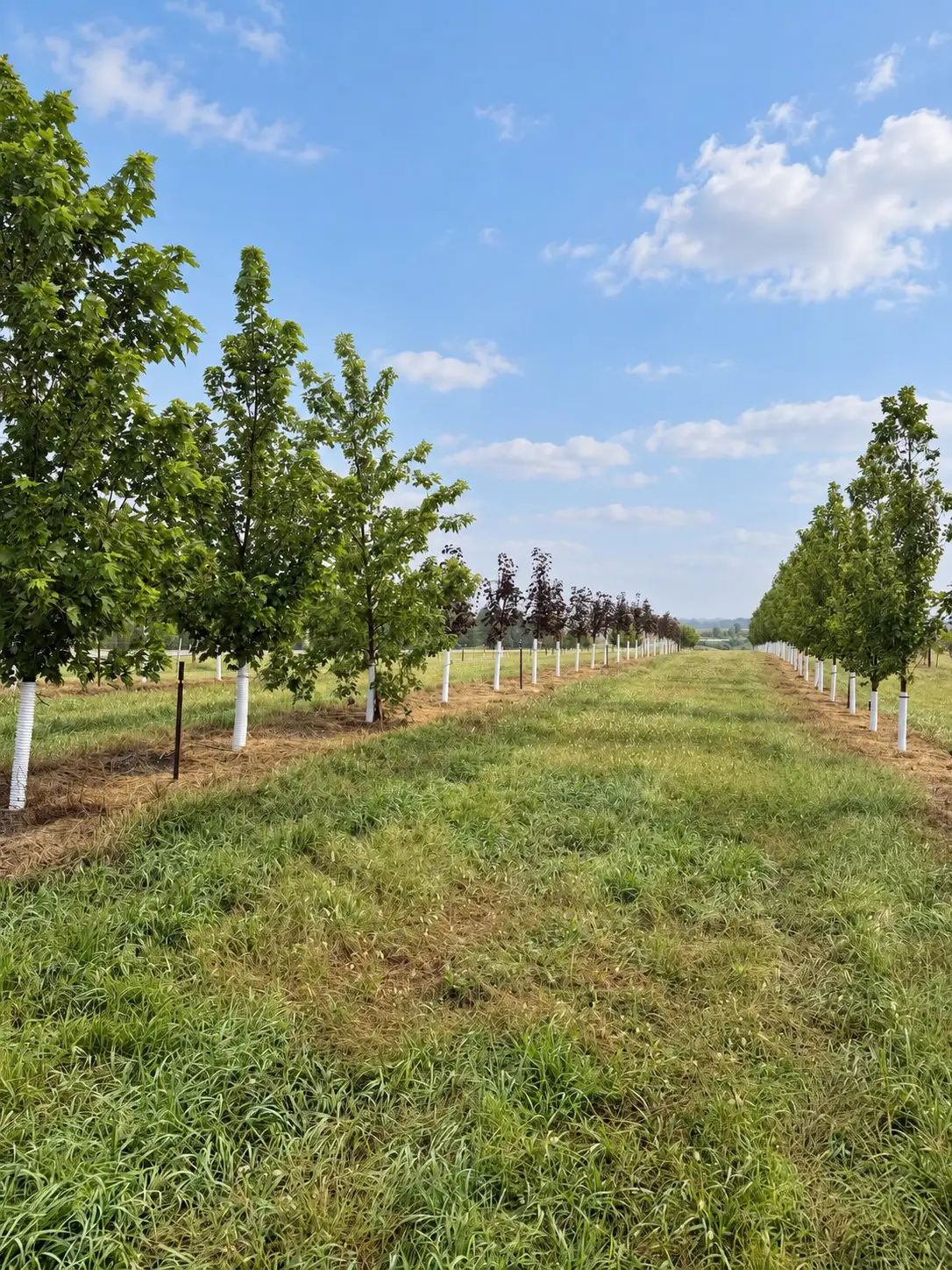
Everything here is grown in our own ground. Walk the rows, pick the tree you want, and we dig it for you by tree spade or ball and burlap. Prices start at $150.00 per tree.

16 of 16 varieties

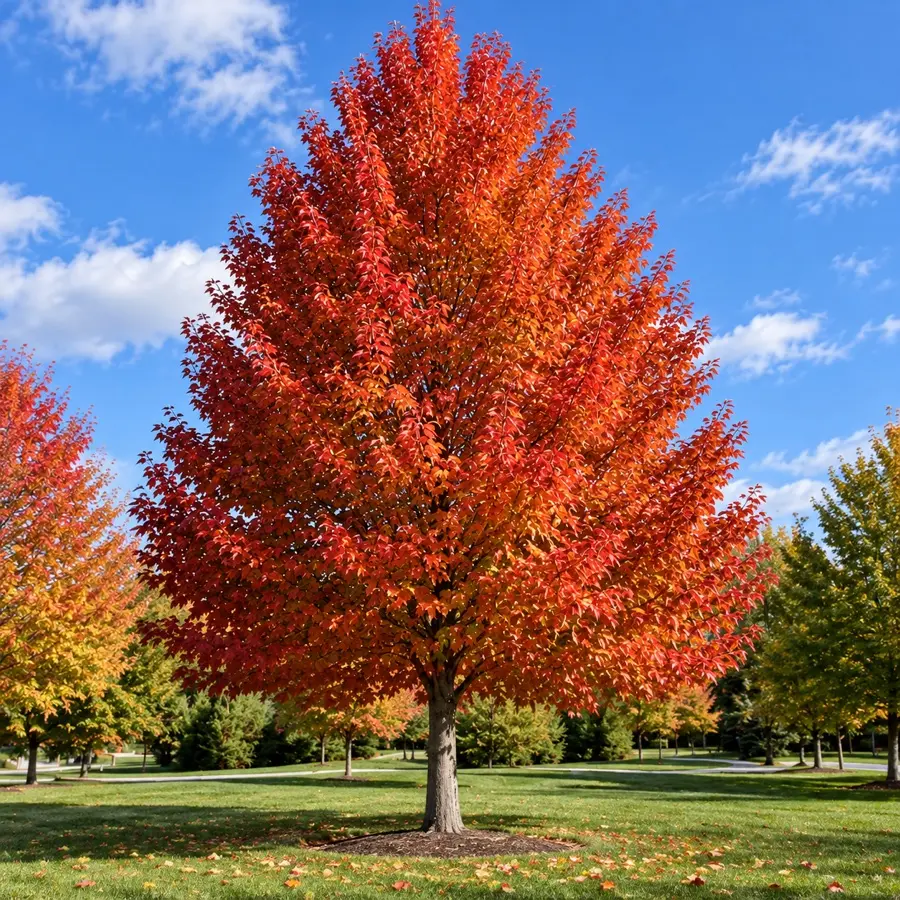
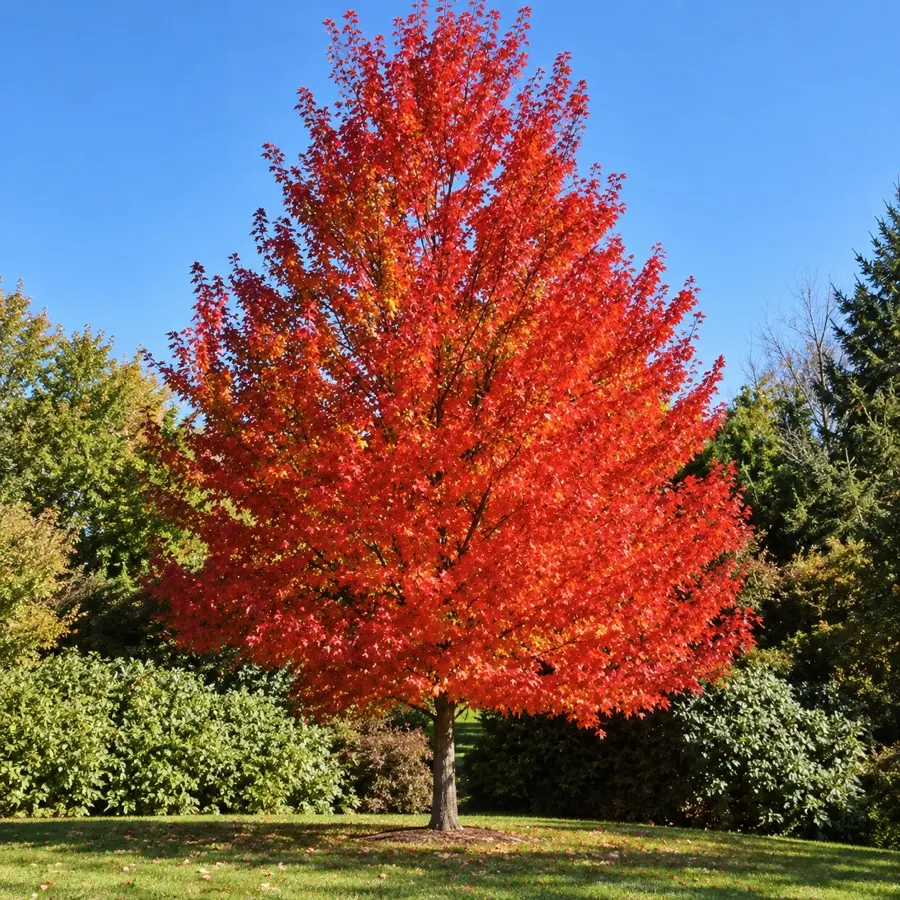
Armstrong Maple

“Bold form. Brilliant color. A lasting impression.”

Armstrong Maple

Acer × freemanii 'Armstrong'

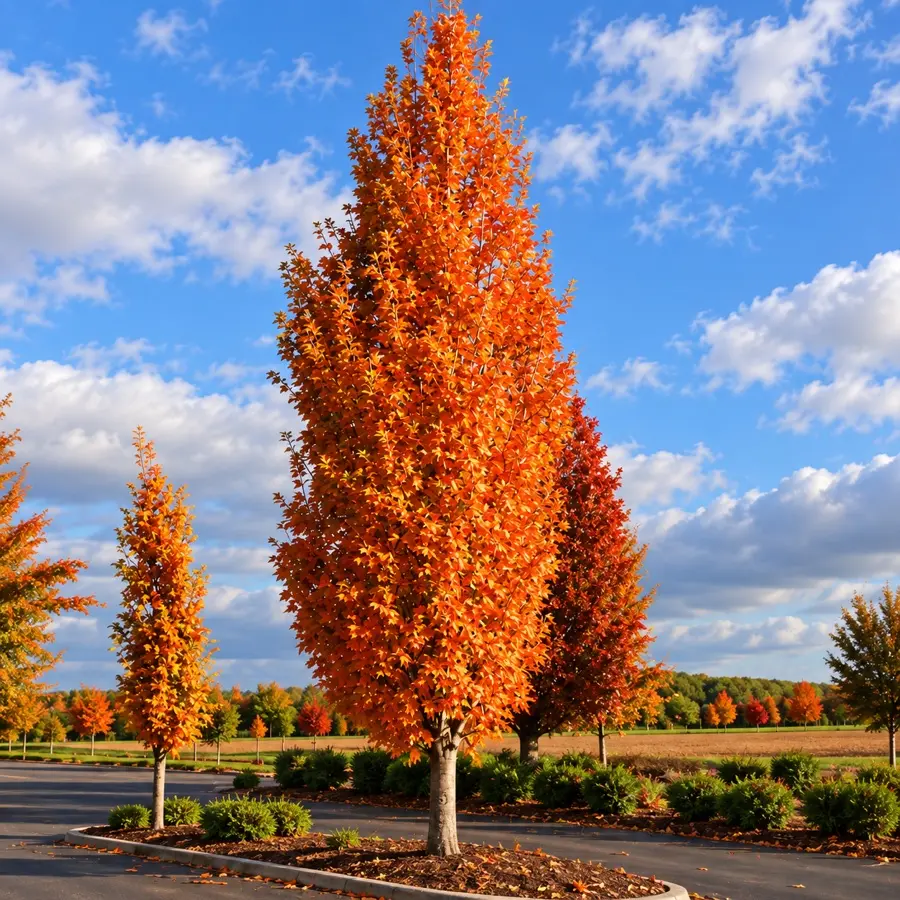
The Armstrong Maple is a highly regarded, fast-growing, columnar maple known for its strong upright form, dense branching, and spectacular fall color. Its narrow, symmetrical shape makes it an excellent choice for streetscapes, avenues, and landscapes where space is limited. Leaves emerge green in spring and summer, turning brilliant shades of orange to red in fall.

The particulars
Mature size
40–50 ft tall × 12–15 ft wide
Hardiness
USDA zones 4–8
Sun
Full sun to partial sun
Family
Sapindaceae
Type
Deciduous tree
Origin
Cultivar (Freeman maple hybrid)
Soil
Well-drained, adaptable to a range of soil types; prefers slightly acidic to neutral pH.

Key features

  • Narrow, upright (columnar) form
  • Fast-growing and hardy
  • Brilliant orange to red fall color
  • Tolerates urban conditions
  • Low maintenance
  • Attractive year-round structure

Ideal uses

  • Street and boulevard plantings
  • Residential and commercial landscapes
  • Parks and public spaces
  • Small or narrow spaces
  • Specimen tree
Celebration Maple

“A tree for all seasons.”

Celebration Maple

Acer × freemanii 'Celebration'

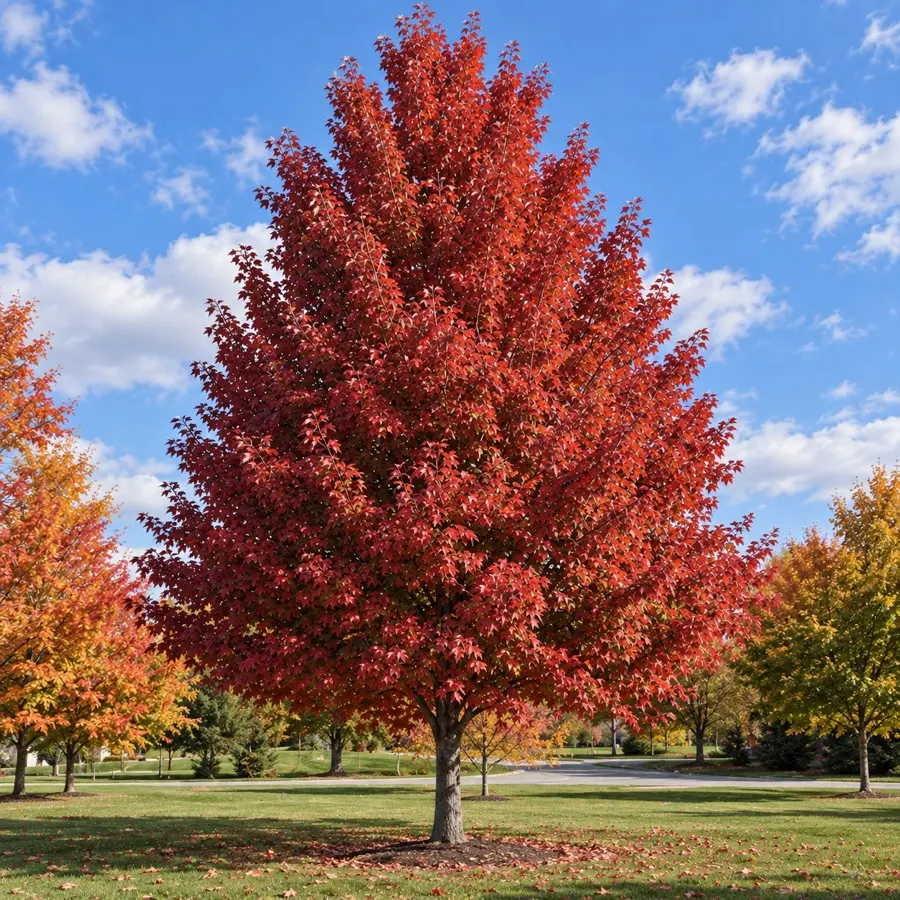
The Celebration Maple is a popular, fast-growing, upright maple known for its exceptional fall color, strong structure, and adaptability. It has a uniform, symmetrical form and dense branching, making it an excellent choice for street trees, lawns, and landscapes. Leaves emerge green in spring and summer, turning brilliant shades of orange-red to deep red in fall.

The particulars
Mature size
40–50 ft tall × 30–40 ft wide
Hardiness
USDA zones 4–8
Sun
Full sun to partial sun
Family
Sapindaceae
Type
Deciduous tree
Origin
Cultivar (Freeman maple hybrid)
Soil
Adaptable to a wide range of soil types; prefers moist, well-drained soil with slightly acidic to neutral pH.

Key features

  • Brilliant red to orange-red fall color
  • Fast-growing and hardy
  • Upright, symmetrical form
  • Dense branching
  • Tolerates urban conditions
  • Low maintenance
  • Attractive year-round structure

Ideal uses

  • Street and boulevard plantings
  • Residential landscapes
  • Parks and public spaces
  • Specimen tree
  • Large lawns and open spaces
  • Adds outstanding fall color
Marmo Maple

“Striking color. Strong performance.”

Marmo Maple

Acer × freemanii 'Marmo'

The Marmo Maple is a popular, fast-growing, upright maple known for its vibrant fall color, strong structure, and adaptability. Leaves emerge green in spring and summer, turning brilliant shades of red and orange in fall. It features a uniform, symmetrical form with dense branching and a broad, attractive canopy, making it an excellent choice for street trees, landscapes, and large open spaces.

The particulars
Mature size
40–50 ft tall × 35–45 ft wide
Hardiness
USDA zones 4–8
Sun
Full sun to partial sun
Family
Sapindaceae
Type
Deciduous tree
Origin
Cultivar (Freeman maple hybrid)
Soil
Adaptable to a wide range of soil types; prefers moist, well-drained soil with slightly acidic to neutral pH.

Key features

  • Brilliant red to orange fall color
  • Upright, symmetrical form
  • Fast-growing and hardy
  • Dense branching
  • Tolerates urban conditions
  • Low maintenance
  • Attractive year-round structure

Ideal uses

  • Street and boulevard plantings
  • Residential landscapes
  • Parks and public spaces
  • Specimen tree
  • Large lawns and open spaces
  • Adds outstanding fall color
Crimson King Maple

“Bold color. Dramatic beauty.”

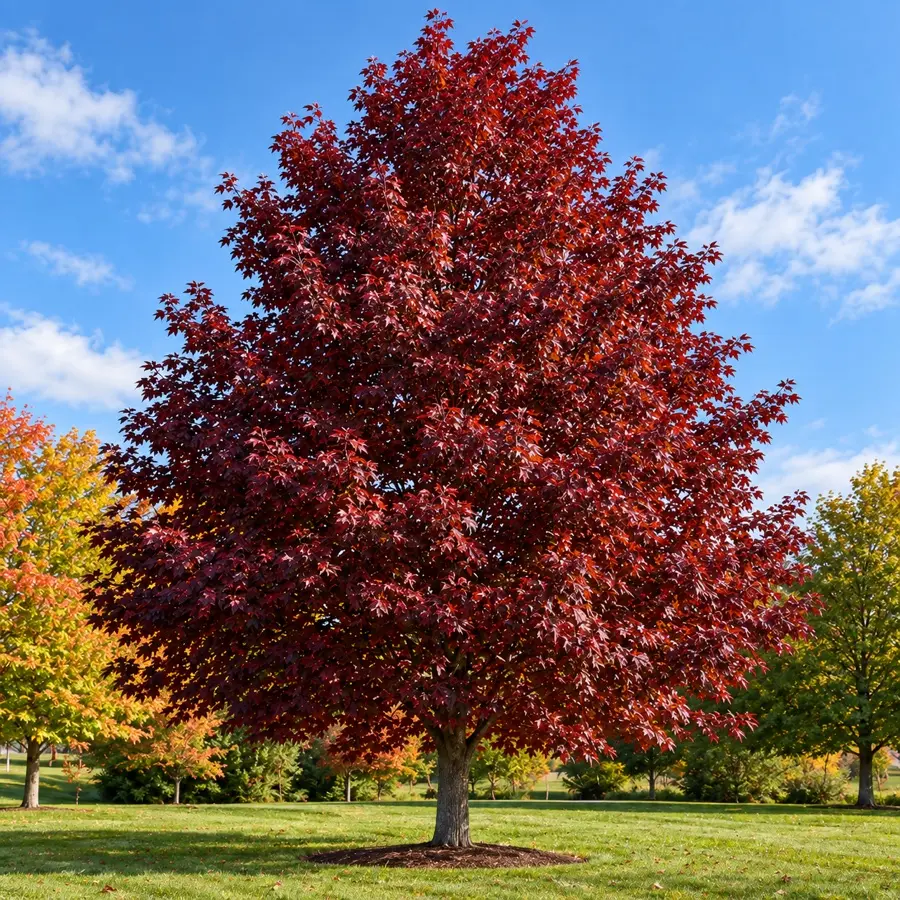
Crimson King Maple

Acer platanoides 'Crimson King'

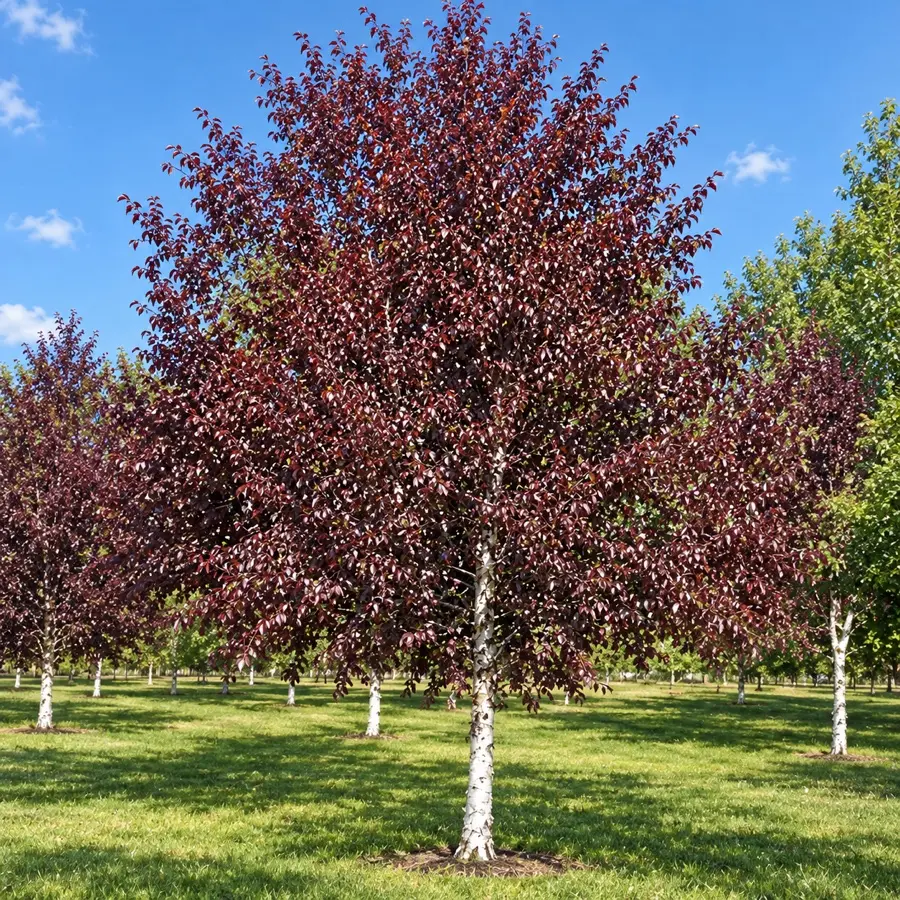
The Crimson King Maple is a striking and popular ornamental maple known for its deep purple-red foliage, strong structure, and broad, symmetrical canopy. Its rich leaf color emerges in spring, holds throughout summer, and offers dramatic fall color. This hardy, fast-growing tree provides excellent shade and visual impact, making it a favorite for residential landscapes, streetscapes, and parks.

The particulars
Mature size
40–50 ft tall × 35–45 ft wide
Hardiness
USDA zones 4–7
Sun
Full sun to partial sun
Family
Sapindaceae
Type
Deciduous tree
Origin
Cultivar (Norway maple selection)
Soil
Adaptable to a wide range of soil types; prefers moist, well-drained soil with slightly alkaline to neutral pH.

Key features

  • Deep purple-red foliage
  • Fast-growing and hardy
  • Broad, symmetrical canopy
  • Provides excellent shade
  • Tolerates urban conditions
  • Low maintenance
  • Attractive year-round structure

Ideal uses

  • Street and boulevard plantings
  • Residential landscapes
  • Parks and public spaces
  • Specimen tree
  • Large open spaces
  • Adds dramatic color and contrast
Fall Fiesta Sugar Maple

“Vibrant fall color. Timeless beauty.”

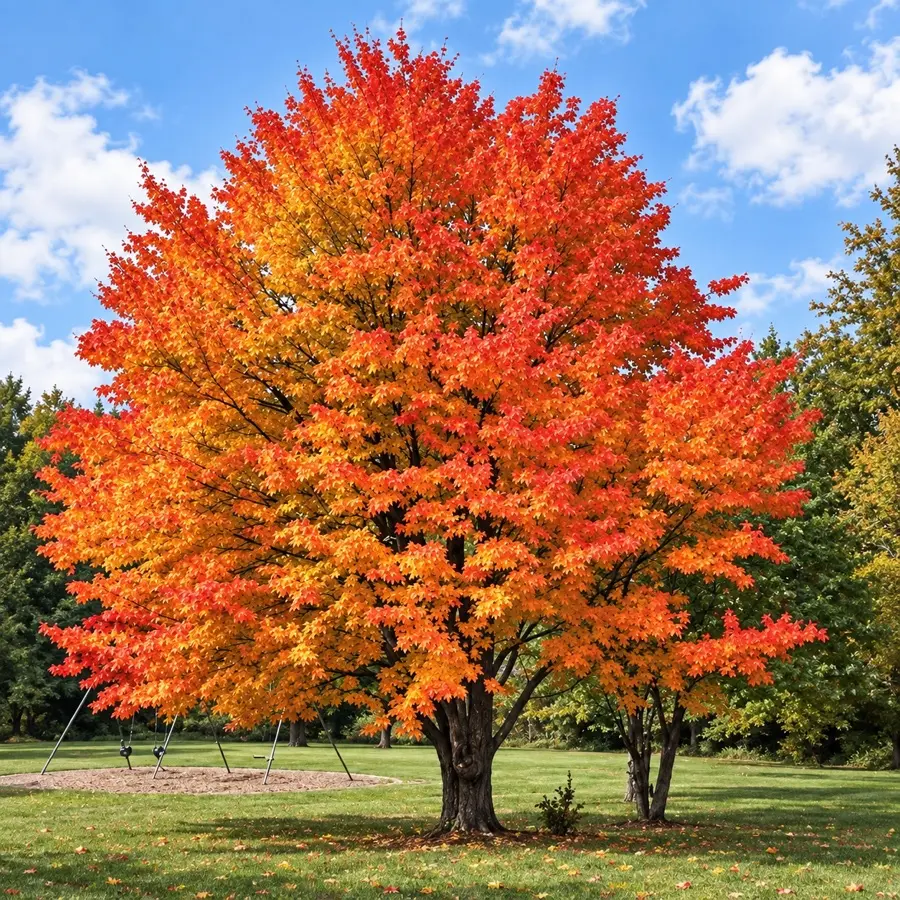
Fall Fiesta Sugar Maple

Acer saccharum 'Fall Fiesta'

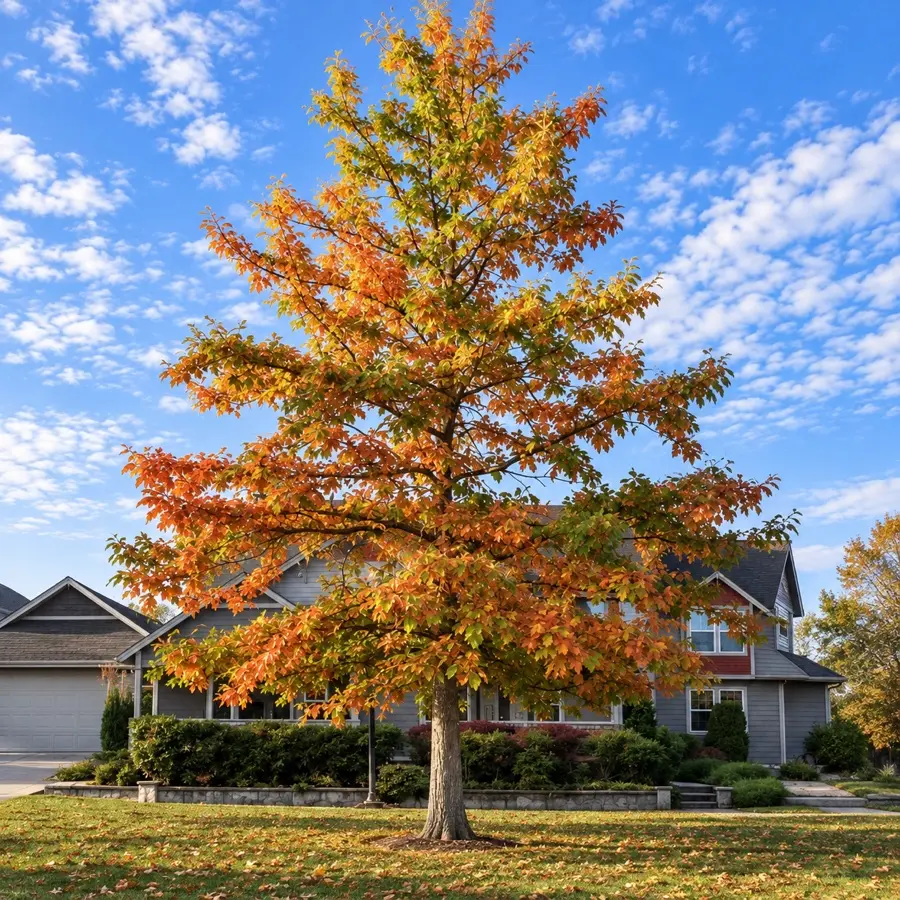
The Fall Fiesta Sugar Maple is a highly regarded cultivar of the native sugar maple, celebrated for its exceptional and reliable fall color. Leaves emerge green in spring and summer, then turn brilliant shades of orange, red, and yellow in fall. It features a strong, upright form, dense canopy, and excellent adaptability, making it a superb choice for streetscapes, lawns, and large landscapes.

The particulars
Mature size
40–60 ft tall × 35–50 ft wide
Hardiness
USDA zones 4–8
Sun
Full sun to partial sun
Family
Sapindaceae
Type
Deciduous tree
Origin
Cultivar (sugar maple selection)
Soil
Adaptable to a wide range of soil types; prefers moist, well-drained soil with slightly acidic to neutral pH.

Key features

  • Exceptional orange-red fall color
  • Upright, symmetrical form
  • Dense canopy
  • Fast-growing and hardy
  • Tolerates urban conditions
  • Native species selection
  • Low maintenance

Ideal uses

  • Street and boulevard plantings
  • Residential landscapes
  • Parks and public spaces
  • Specimen tree
  • Large lawns and open spaces
  • Adds outstanding fall color
Sun Valley Maple

“Brilliant color. Beautiful symmetry.”

Sun Valley Maple

Acer rubrum 'Sun Valley'

Sun Valley Maple is a compact, seedless red maple prized for its dense, symmetrical oval crown and dependable brilliant red fall color. Dark green summer foliage changes to vivid scarlet in autumn, creating an outstanding landscape display. Its smaller size, tidy branching, cold hardiness, and adaptability make it an excellent choice for lawns, streets, and residential landscapes.

The particulars
Mature size
20–35 ft tall × 15–25 ft wide
Hardiness
USDA zones 4–7
Sun
Full sun to partial shade
Family
Sapindaceae
Type
Deciduous tree
Origin
Cultivar (U.S. National Arboretum selection)
Soil
Adaptable to many soils; prefers moist, slightly acidic, well-drained soil.

Key features

  • Brilliant, long-lasting red fall color
  • Compact, symmetrical oval crown
  • Seedless male selection
  • Dense branching and tidy form
  • Cold hardy and adaptable
  • Low maintenance

Ideal uses

  • Residential landscapes
  • Street and boulevard plantings
  • Shade tree for lawns
  • Parks and public spaces
  • Rain gardens and moist sites
  • Specimen tree
Brandywine Maple

“Rich color. Lasting beauty.”

Brandywine Maple

Acer rubrum 'Brandywine'

The Brandywine Maple is a popular cultivar of red maple, valued for its exceptional fall color, strong structure, and adaptability. It features a uniform, upright form with dense branching and vibrant, long-lasting red foliage in autumn. In spring and summer, the leaves are a rich green, providing a beautiful contrast before turning brilliant shades of red.

The particulars
Mature size
25–35 ft tall × 15–25 ft wide
Hardiness
USDA zones 4–8
Sun
Full sun to partial sun
Family
Sapindaceae
Type
Deciduous tree
Origin
Cultivar (selected red maple)
Soil
Adaptable to a wide range of soil types; prefers moist, well-drained soil with slightly acidic conditions.

Key features

  • Brilliant red fall color
  • Uniform, upright form
  • Fast-growing and hardy
  • Tolerates urban conditions
  • Low maintenance
  • Attractive year-round structure

Ideal uses

  • Street and boulevard plantings
  • Residential and commercial landscapes
  • Parks and public spaces
  • Specimen tree
  • Medium to large landscapes
Burr Oak

“A legacy tree for generations to come.”

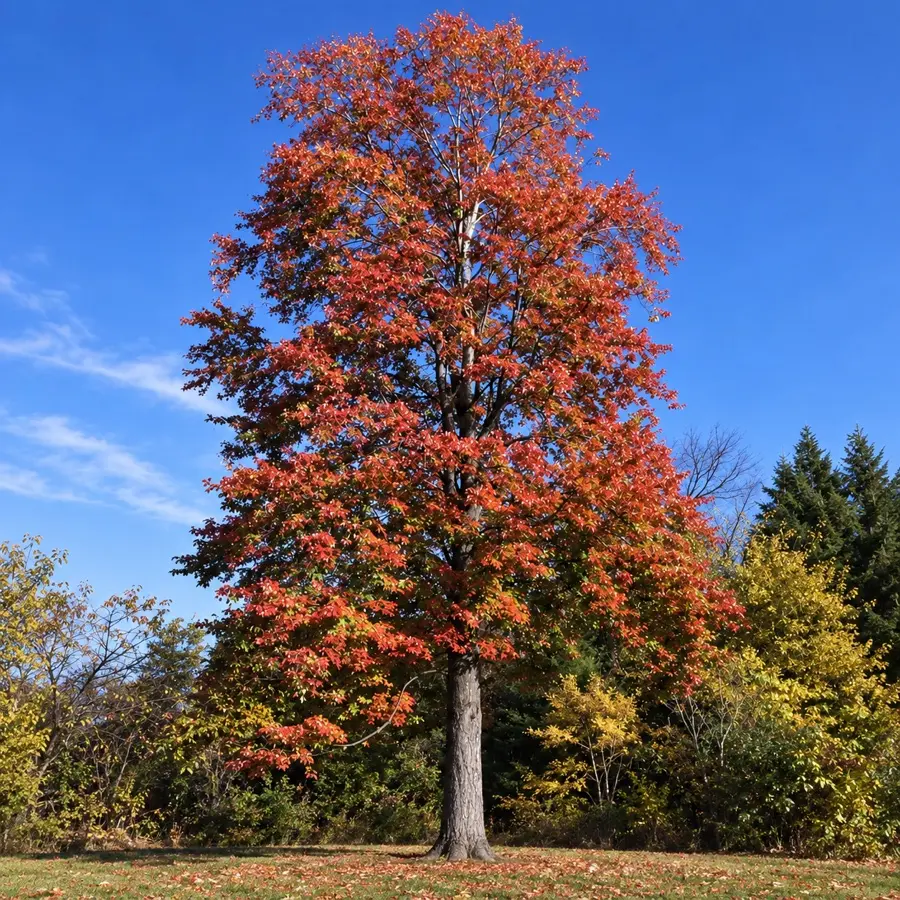
Burr Oak

Quercus macrocarpa

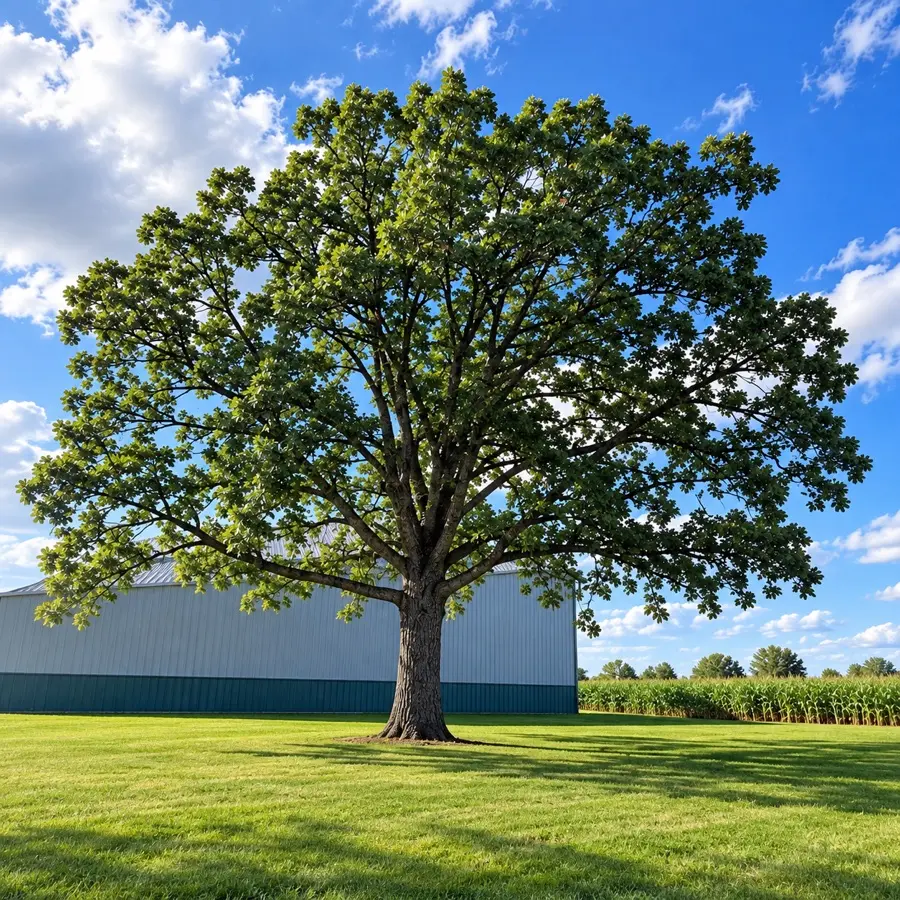
The Burr Oak is a majestic, long-lived native oak known for its massive trunk, strong branching, and broad, spreading canopy. Its large, deeply lobed leaves provide dense summer shade and turn yellow to golden-brown in fall. Distinctive acorns with a fringed, burr-like cap are an important food source for wildlife. Exceptionally hardy and adaptable, Burr Oak tolerates drought, wind, cold, clay, and a wide range of soil conditions. Its impressive size, durability, and rugged character make it an outstanding choice for large landscapes, parks, acreages, and properties where a beautiful legacy shade tree is desired.

The particulars
Mature size
60–80 ft tall × 60–80 ft wide
Hardiness
USDA zones 3–8
Sun
Full sun to partial sun
Family
Fagaceae
Type
Deciduous tree
Origin
Native to North America
Soil
Adaptable to a wide range of soil types, including clay; prefers well-drained soils but is very tolerant of poor soils, drought, and urban conditions.

Key features

  • Large, majestic, long-lived tree
  • Broad, spreading canopy
  • Deeply lobed leaves
  • Distinctive burr-capped acorns
  • Highly adaptable and drought tolerant
  • Excellent wildlife value
  • Strong, durable wood

Ideal uses

  • Large lawns and landscapes
  • Parks and public spaces
  • Acreages and rural properties
  • Shade tree
  • Wildlife habitat
  • Reforestation and conservation plantings
  • Specimen tree
Shummard Oak

“Strong roots. Lasting beauty. A legacy for generations.”

Shummard Oak

Quercus shumardii

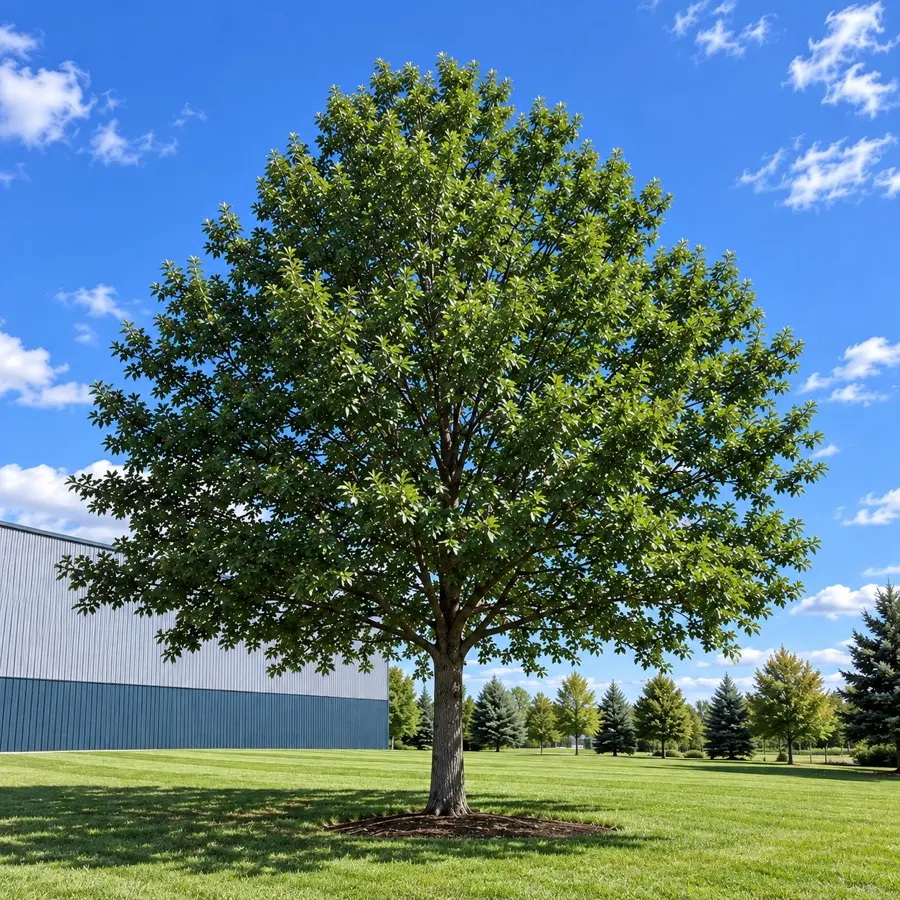
The Shummard Oak is a fast-growing, adaptable native oak known for its strong structure, attractive form, and brilliant fall color. It has a broad, rounded crown with dark green, deeply lobed leaves that turn shades of red, orange, and burgundy in fall. Highly tolerant of heat, drought, and urban conditions, the Shummard Oak is a durable and long-lived tree that provides excellent shade, wildlife habitat, and year-round beauty.

The particulars
Mature size
50–70 ft tall × 40–60 ft wide
Hardiness
USDA zones 5–9
Sun
Full sun
Family
Fagaceae
Type
Deciduous tree
Origin
Native to North America (southeastern U.S.)
Soil
Adaptable to a wide range of soil types, including clay; prefers well-drained soil; tolerates drought and urban conditions.

Key features

  • Fast-growing, long-lived tree
  • Broad, rounded crown
  • Dark green, deeply lobed leaves
  • Brilliant red to burgundy fall color
  • Tolerates heat, drought, and urban conditions
  • Strong structure and wind resistance
  • Excellent shade and wildlife value

Ideal uses

  • Street and boulevard plantings
  • Parks and public spaces
  • Large residential landscapes
  • Commercial and institutional sites
  • Shade tree
  • Wildlife habitat (acorns)
  • Reforestation and native plantings
  • Specimen tree
Swamp White Oak

“Adaptable. Resilient. A true native treasure.”

Swamp White Oak

Quercus bicolor

The Swamp White Oak is a hardy, adaptable native oak known for its attractive form, strong structure, and beautiful seasonal color. It has a broad, rounded crown with dark green leaves that often have a pale, silvery underside. In fall, the foliage turns shades of yellow, orange, and brown, adding warm seasonal interest. Tolerant of wet soils yet adaptable to a wide range of conditions, it is a durable, long-lived tree that provides excellent shade, wildlife habitat, and year-round beauty.

The particulars
Mature size
50–70 ft tall × 50–70 ft wide
Hardiness
USDA zones 3–8
Sun
Full sun to partial sun
Family
Fagaceae
Type
Deciduous tree
Origin
Native to eastern North America
Soil
Adaptable to a wide range of soils; tolerates wet, poorly drained soils; preferred in moist, acidic soils.

Key features

  • Native, long-lived tree
  • Broad, rounded crown
  • Attractive fall color (yellow, orange, brown)
  • Tolerates wet soils and urban conditions
  • Strong structure and wind resistance
  • Excellent wildlife habitat (acorns)
  • Adaptable and hardy

Ideal uses

  • Residential landscapes
  • Parks and public spaces
  • Street and boulevard plantings
  • Naturalized areas and wet sites
  • Stormwater and rain gardens
  • Wildlife habitat (acorns)
  • Reforestation and native plantings
  • Shade tree
Renaissance Reflection Birch

“Reflection of beauty. Strength for generations.”

Renaissance Reflection Birch

Betula platyphylla 'Renaissance Reflection'

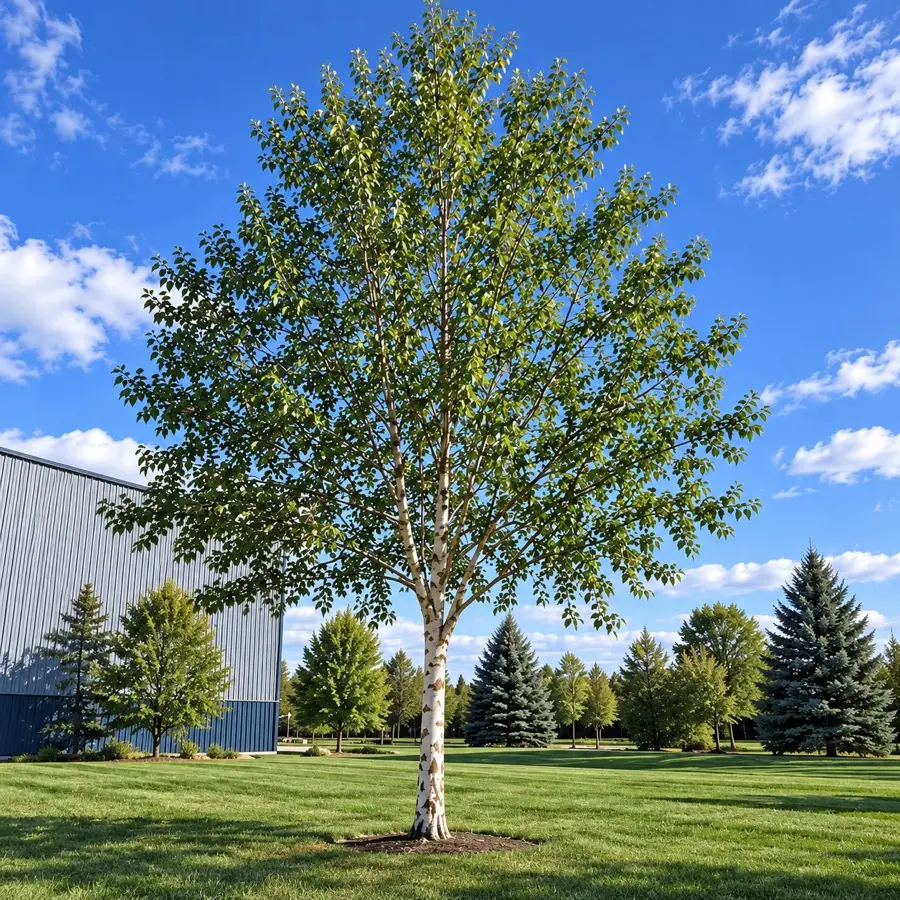
The Renaissance Reflection Birch is a striking, single-stem deciduous tree known for its brilliant white bark with copper and rose tones, graceful form, and excellent landscape performance. Its abundant green leaves create a light, airy canopy in summer and turn attractive yellow in fall. The exfoliating bark provides year-round interest, especially in winter. Compact, upright growth and strong resistance to bronze birch borer make it a reliable choice for residential and commercial landscapes.

The particulars
Mature size
30–40 ft tall × 20–30 ft wide
Hardiness
USDA zones 4–8
Sun
Full sun to partial sun
Family
Betulaceae
Type
Deciduous tree (single stem)
Origin
Cultivar (selection of Asian white birch)
Soil
Prefers well-drained, moist soils; widely adaptable, including clay; slightly acidic to neutral pH.

Key features

  • Distinctive white, peeling bark with copper and rose tones
  • Attractive, upright form
  • Bright green foliage, yellow fall color
  • Excellent bronze birch borer resistance
  • Adaptable and hardy
  • Beautiful year-round interest

Ideal uses

  • Residential landscapes
  • Parks and public spaces
  • Specimen tree
  • Street and boulevard plantings
  • Commercial and institutional sites
  • Naturalized areas
  • Four-season interest
Royal Frost Birch

“Brilliant color. Lasting beauty.”

Royal Frost Birch

Betula platyphylla 'Royal Frost'

The Royal Frost Birch is a refined, single-stem deciduous tree known for its striking white bark, elegant form, and exceptional four-season appeal. In spring and summer, its foliage is deep green, maturing to a rich crimson red in fall. The snow-white bark provides outstanding year-round interest and is more heat tolerant and durable than many other white birch varieties. With its upright habit, clean form, and adaptability, Royal Frost is an excellent choice for residential, commercial, and urban landscapes.

The particulars
Mature size
40–50 ft tall × 25–35 ft wide
Hardiness
USDA zones 4–8
Sun
Full sun to partial sun
Family
Betulaceae
Type
Deciduous tree (single stem)
Origin
Cultivar (selection of Asian white birch)
Soil
Prefers well-drained, moist soils; adaptable to a range of soil types, including clay; slightly acidic to neutral pH.

Key features

  • Striking white bark
  • Attractive crimson fall foliage
  • Upright, single-stem form
  • Heat tolerant and durable
  • Resistant to bronze birch borer
  • Graceful, airy canopy
  • Beautiful year-round interest

Ideal uses

  • Residential landscapes
  • Parks and public spaces
  • Street and boulevard plantings
  • Commercial and institutional sites
  • Specimen tree
  • Group plantings
  • Four-season interest
Dakota Pinnacle Birch

“A striking vertical accent for every season.”

Dakota Pinnacle Birch

Betula platyphylla 'Dakota Pinnacle'

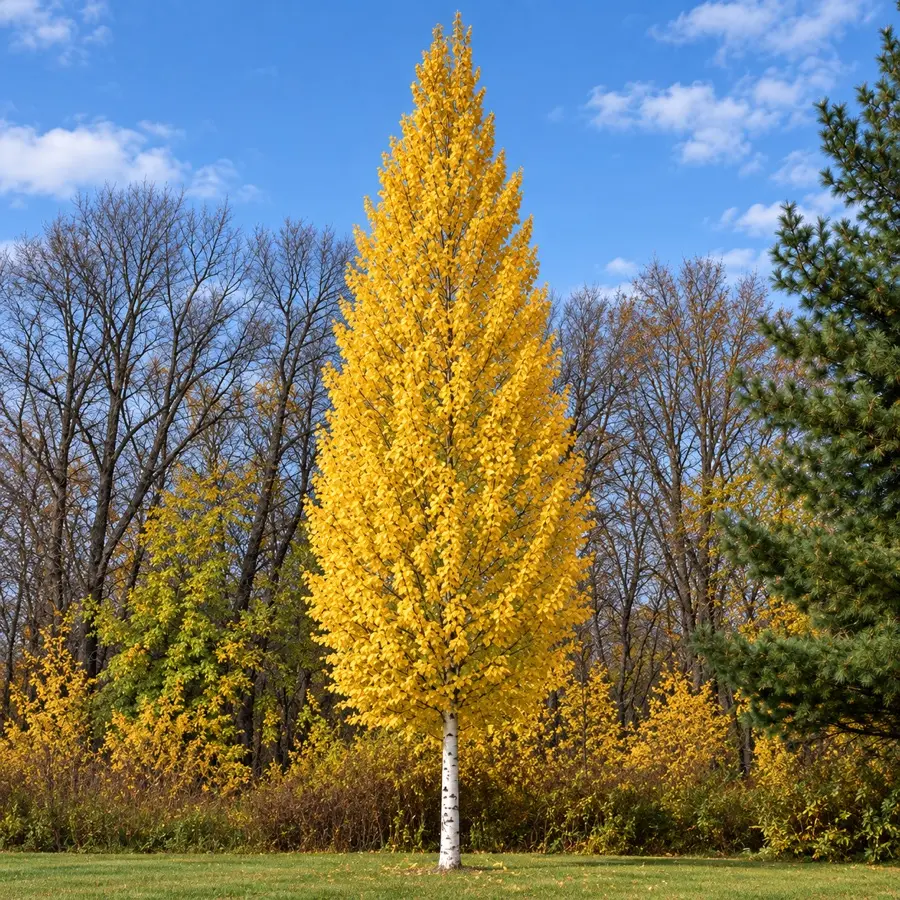
Dakota Pinnacle Birch is a fastigiate (narrow, upright) deciduous tree known for its columnar form, beautiful white bark, and outstanding four-season appeal. Its bright green leaves create a dense, vertical canopy in summer, turning a brilliant golden yellow in fall. The attractive white bark provides year-round interest and peels to reveal shades of cream, white, and tan. More heat and disease tolerant than many other birches, Dakota Pinnacle offers a refined, space-saving form that is ideal for residential, commercial, and urban landscapes.

The particulars
Mature size
30–50 ft tall × 8–12 ft wide
Hardiness
USDA zones 4–8
Sun
Full sun to partial sun
Family
Betulaceae
Type
Deciduous tree (single stem)
Origin
Cultivar (selection of Asian white birch)
Soil
Prefers well-drained, moist soils; adaptable to a range of soil types, including clay; slightly acidic to neutral pH.

Key features

  • Narrow, upright (columnar) form
  • Striking white bark
  • Brilliant yellow fall color
  • Fast growing
  • More heat tolerant than many birches
  • Good resistance to bronze birch borer
  • Ideal for small spaces

Ideal uses

  • Residential landscapes
  • Parks and public spaces
  • Street and boulevard plantings
  • Specimen tree
  • Accent or vertical element
  • Group plantings
  • Screening or privacy plantings
  • Four-season interest
Renaissance Oasis Birch

“Golden beauty. Year-round elegance.”

Renaissance Oasis Birch

Betula platyphylla 'Renaissance Oasis'

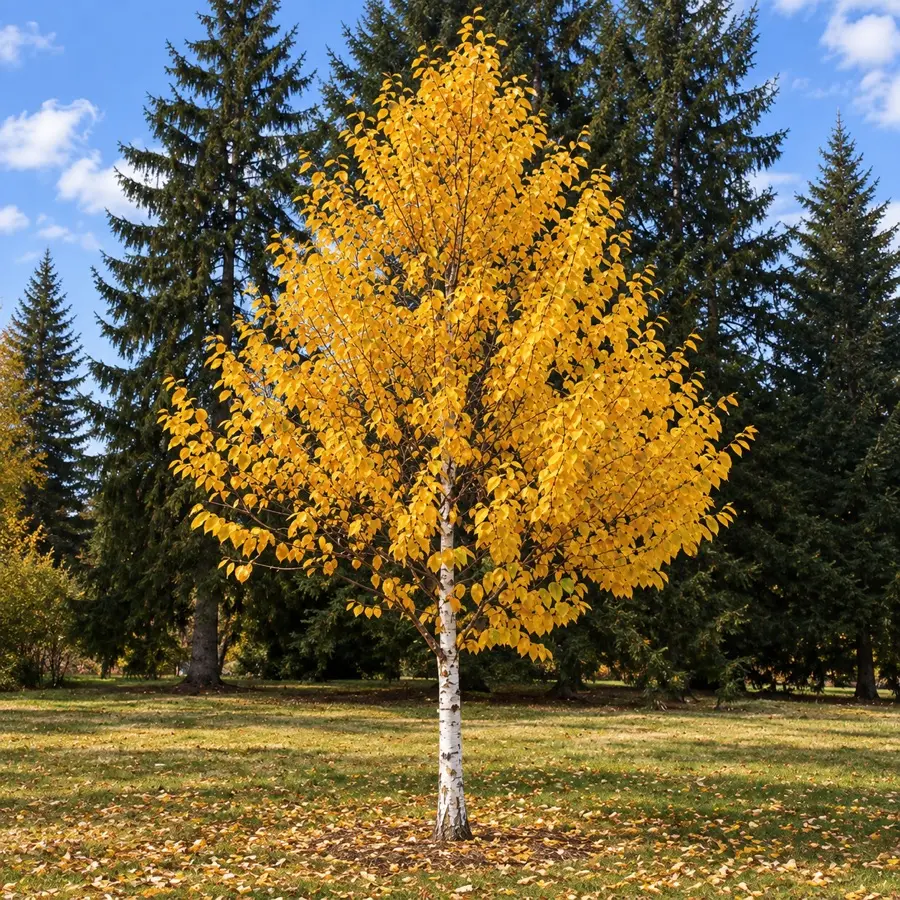
Renaissance Oasis Birch is a refined, hardy deciduous tree known for its beautiful form, attractive peeling white bark, and outstanding four-season appeal. In spring and summer, its bright green leaves create a light, airy canopy. In fall, the foliage turns a vivid golden yellow, providing brilliant seasonal color. Renaissance Oasis has excellent year-round interest with its snow-white bark and graceful branching. It is heat tolerant and more resistant to bronze birch borer than many other white birch varieties.

The particulars
Mature size
40–50 ft tall × 25–35 ft wide
Hardiness
USDA zones 4–8
Sun
Full sun to partial sun
Family
Betulaceae
Type
Deciduous tree (single stem or multi-stem)
Origin
Cultivar (selection of Asian white birch)
Soil
Prefers well-drained, moist soils; adaptable to a range of soil types, including clay; slightly acidic to neutral pH.

Key features

  • Striking golden yellow fall foliage
  • Attractive white, peeling bark
  • Upright, graceful form
  • Bright green summer foliage
  • Heat tolerant and adaptable
  • More resistant to bronze birch borer
  • Good urban tolerance

Ideal uses

  • Residential landscapes
  • Parks and public spaces
  • Street and boulevard plantings
  • Commercial and institutional sites
  • Specimen tree
  • Group plantings
  • Four-season interest
Bloodgood London Planetree

“Bold heritage. Enduring beauty.”

Bloodgood London Planetree

Platanus × acerifolia 'Bloodgood'

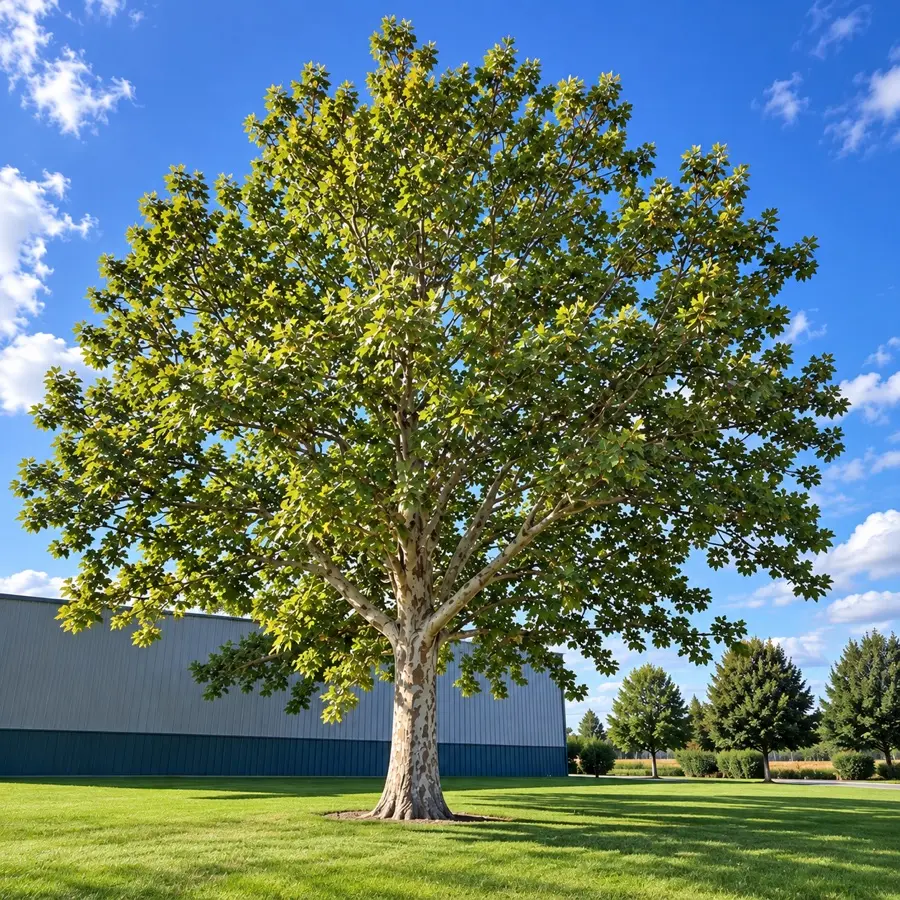
The Bloodgood London Planetree is a hardy, fast-growing, large shade tree known for its strong structure, attractive mottled bark, and excellent tolerance to urban conditions. It has a broad, rounded canopy with large, maple-like leaves that provide dense summer shade and turn yellow to brown in fall. The exfoliating bark, with its creamy white, tan, and gray patches, adds year-round interest. Known for its durability, disease resistance, and adaptability, it is a popular choice for streetscapes, parks, and large landscape settings.

The particulars
Mature size
60–80 ft tall × 60–80 ft wide
Hardiness
USDA zones 4–8
Sun
Full sun
Family
Platanaceae
Type
Deciduous tree
Origin
Cultivar (hybrid of American planetree and Oriental planetree)
Soil
Adaptable to a wide range of soil types; tolerates clay, compacted, and urban soils. Prefers moist, well-drained soil.

Key features

  • Large, fast-growing shade tree
  • Broad, rounded canopy
  • Attractive, exfoliating mottled bark
  • Large, maple-like leaves
  • Tolerates urban conditions
  • Good resistance to anthracnose
  • Low maintenance

Ideal uses

  • Street and boulevard plantings
  • Parks and public spaces
  • Large residential and commercial landscapes
  • Urban and industrial sites
  • Specimen tree
  • Erosion control and environmental plantings
Chanticlear Pear

“Graceful form. Brilliant blooms. Year-round beauty.”

Chanticlear Pear

Pyrus calleryana 'Chanticleer'

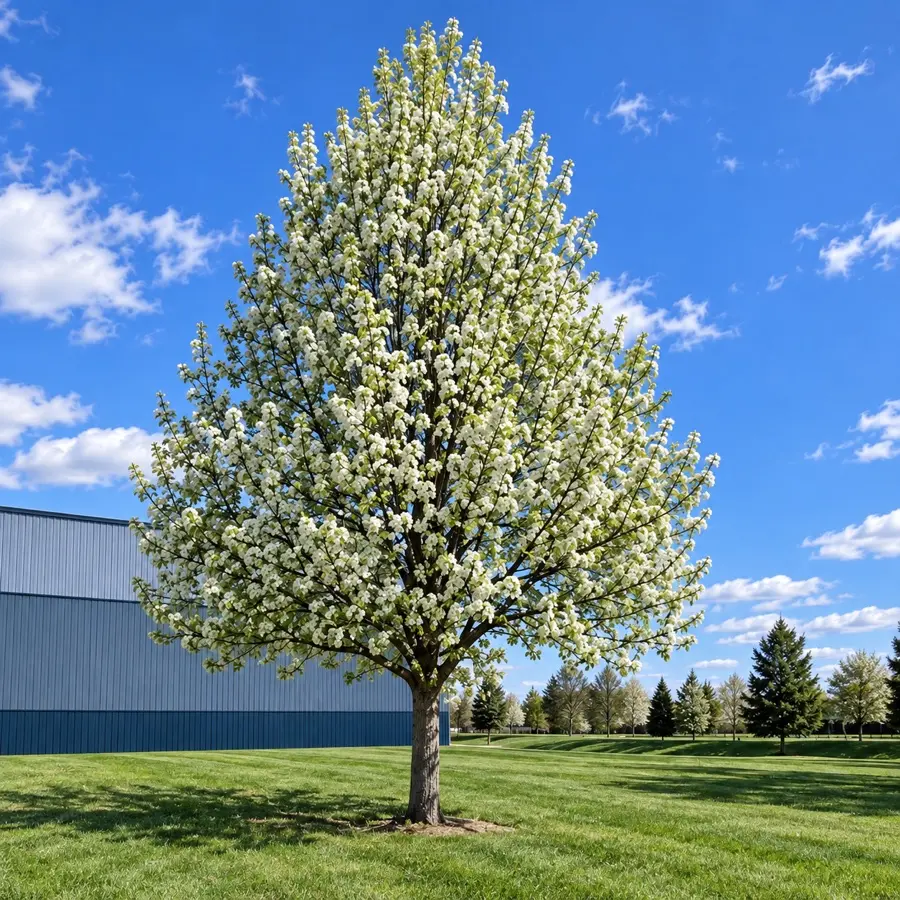
The Chanticleer Pear is a popular, ornamental deciduous tree known for its narrow, upright form, abundant white spring blooms, and attractive year-round appearance. In early spring, it is covered with showy white flowers that attract pollinators. Glossy green leaves provide dense summer foliage, turning shades of red, orange, and purple in fall. With its strong structure, smooth bark, and excellent adaptability, the Chanticleer Pear is a reliable choice for streetscapes, parking lots, and landscapes where a uniform, upright tree is desired.

The particulars
Mature size
30–40 ft tall × 12–15 ft wide
Hardiness
USDA zones 5–9
Sun
Full sun to partial sun
Family
Rosaceae
Type
Deciduous tree
Origin
Cultivar (selection of Callery pear, native to Asia)
Soil
Adaptable to a wide range of soil types, including clay; prefers well-drained soil.

Key features

  • Narrow, upright form
  • Abundant white spring blooms
  • Attractive glossy green foliage
  • Brilliant fall color (red, orange, purple)
  • Strong structure and storm tolerant
  • Tolerates urban conditions
  • Low maintenance

Ideal uses

  • Street and boulevard plantings
  • Parking lots and commercial sites
  • Residential landscapes
  • Small or narrow spaces
  • Urban and suburban settings
  • Specimen tree
  • Pollinator-friendly (bees)

Questions about our trees

How does buying a tree work?

You walk the rows and pick the tree you want. We then dig it for you, either with a tree spade or balled and burlapped, so it is ready to plant. Prices start at $150.00 per tree, and we accept cash, check, or Venmo.

When is the best time to plant a tree in Iowa?

Spring and fall are both excellent planting windows in southwest Iowa. The ground is workable and the weather is kind to a tree that has just been moved. Because your tree is dug fresh, getting it in the ground and well watered soon after matters more than the exact date.

When can I come out to the farm?

Please call for information. We also post special events on Facebook, so check back here or follow along for the next one.

Come see them in person

Photos only go so far. Walk the rows, pick the exact tree you want, and we'll dig it for you by tree spade or ball and burlap.